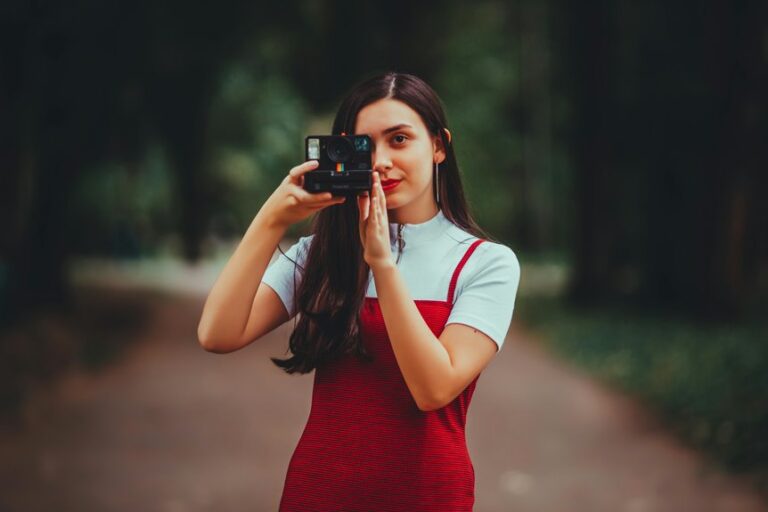

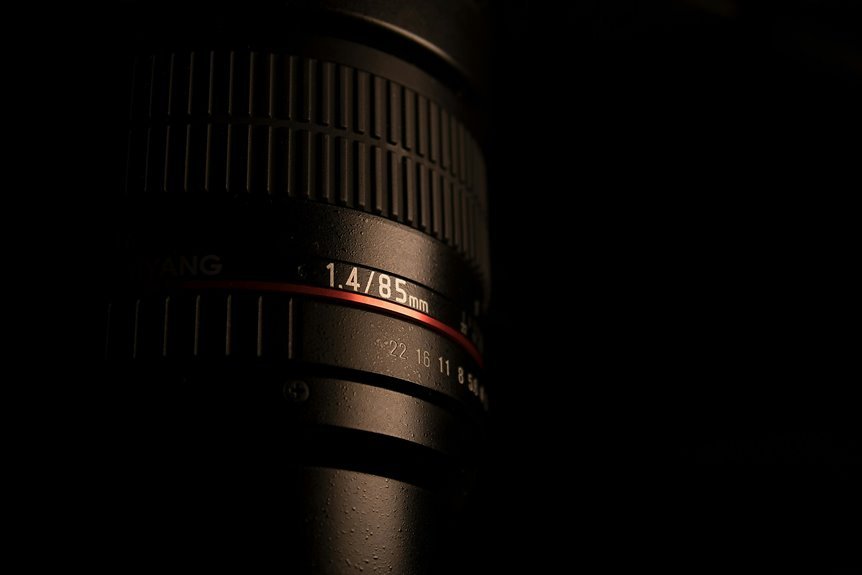

Focal length changes how a photo looks and feels. Wide lenses fit more in the frame and can stretch faces or objects near the camera. Longer lenses make subjects look flatter and bring distant details closer. This guide shares simple tips for portraits, landscapes, and everyday shots so picking the right lens feels easy.
Understand What Focal Length Changes
During the moment you change focal length, you don’t just zoom in or out, you change how a photo feels. You shape what stands out, how much of the scene fits, and how close your subject seems. That matters because it helps your images feel more like you and the stories you want to share.
As you learn, focal length becomes a friendly tool, not a confusing number. Shorter lengths show more space and energy. Longer lengths add optical magnification, pull attention inward, and often create softer backgrounds.
In turn, your lens choice affects blur, framing, and how steady your shot needs to be. That’s where image stabilization can help you keep photos clear whenever light drops or your hands shake. With practice, you’ll feel confident choosing what belongs in the frame.
See How Perspective Changes With Distance
As you move closer to your subject, you change how features and spacing look in the frame.
Whenever you step back, the background can seem tighter and closer, especially with longer focal lengths.
In case you’ve ever been curious why one shot feels natural and another feels compressed, distance is a big part of the answer.
Subject Distance Effects
Because viewpoint changes with your distance from the subject, where you stand often matters more than the lens you choose. Whenever you step closer, faces and nearby objects look larger, so subject placement becomes critical. As soon as you step back, features look calmer and more familiar, which helps everyone feel at ease.
| Distance | What You See | Best Use |
|---|---|---|
| Very close | Strong depth, bigger near parts | Creative details |
| Close | More energy, slight stretch | Casual portraits |
| Medium | Natural balance | Everyday photos |
| Farther back | Gentler angle | Full-body scenes |
As you practice distance variation, you start to see why your position shapes connection. Move your feet initially, then refine framing. Keep your subject near the center when you’re close. That simple habit helps your photos feel welcoming, honest, and beautifully shared together.
Background Compression Changes
Why does the background seem to jump closer as you use a longer lens and step back? It happens because your distance changes viewpoint. Whenever you move back, the size gap between your subject and the scenery gets smaller, so the scene feels tighter and more connected. The lens doesn’t magically squeeze space. Your position does the heavy lifting.
That shift matters in portraits, vistas, and daily shots. You can make mountains sit closer behind a person, or stack city lights into a warm backdrop. Longer focal lengths also soften distractions and improve bokeh quality, which helps your subject feel like they belong in the frame.
In contrast, shooting close with a wide lens stretches depth and can exaggerate lens curvature. Once you see it, you’ll start choosing distance with real confidence every time.
Choose Focal Length for Crop and Full-Frame
How do you pick the right focal length in case your camera has a crop sensor instead of a full-frame sensor? Start with sensor size, because it changes how your lens feels in use. A crop sensor narrows your view, so the crop factor matters whenever you compare lenses with friends using full-frame cameras. That way, you stay confident and in step with the wider photo community.
- Multiply the lens with your crop factor, like 1.5x or 1.6x.
- A 35mm lens acts closer to 50mm on many crop bodies.
- A 24mm lens feels more like 35mm, which helps for travel and daily scenes.
- In case you want a familiar full-frame view, choose a slightly wider lens on crop.
Once you know this, picking lenses feels simpler, smarter, and more personal.
Use Longer Focal Lengths for Better Portraits
Once you understand crop factor, choosing a portrait lens gets much easier, and this is where longer focal lengths start to shine. Whenever you use 85mm to 135mm, you give your subject a polished, welcoming look that feels right at home in any portrait style.
That extra reach helps you create strong subject isolation, so your person stands out while the background melts into soft blur. As you step back, your subject can relax, and that comfort often shows in their expression.
Longer lenses also make it easier to shape face lighting because you can position yourself and your light with more care. For headshots, they deliver creamy bokeh and a flattering feel. For full-body portraits, you can still use moderate lengths whenever you want balance, setting, and a natural connection to the scene.
Avoid Wide-Angle Distortion in Faces
Although wide-angle lenses can feel fun and flexible, they often stretch facial features as you move in too close, and that can make noses look larger, foreheads seem wider, and the sides of the face pull outward in ways that don’t feel true to the person in front of you.
To keep people looking like themselves, give them breathing room and make careful choices:
- Step back, then use 85mm or longer for close portraits.
- Improve subject placement through keeping faces near the frame center.
- Watch edges, where distortion sneaks in and pulls features outward.
- Control bright light, because lens flare can distract from expression.
When you do this, your portraits feel more welcoming and honest. People see themselves clearly, and that helps everyone feel comfortable, connected, and truly seen in your photos together.
Pick the Best Focal Length for Landscapes
For sceneries, you’ll usually start with a wide lens like 14mm to 35mm because it lets you capture big views and make the foreground feel bold and deep.
Then, whenever distant peaks look small or flat, you can switch to a longer focal length to compress the scene and make those mountains feel stronger and closer.
As you choose between these looks, you’ll shape not just what the camera sees, but how the place feels to you.
Wide Views And Depth
As soon as you want a scenery to feel big, open, and full of depth, start with a wide-angle lens in the 14mm to 35mm range. You’ll fit more sky, land, and leading lines into one frame, which helps you create a view that feels welcoming and alive.
Better yet, wide angle exaggeration makes nearby rocks, flowers, or trails feel stronger, while depth emphasis effects pull the eye deeper into the vista.
- Get close to a foreground subject for stronger scale.
- Keep your horizon level so the frame feels calm.
- Try f/8 or f/11 to hold details across the view.
- Use lines, curves, or paths to guide everyone inward.
That way, your panoramas don’t just show a place. They invite people in, like they belong there too, with you.
Compression For Distant Peaks
Wide scenes help you show the whole mountain range, but a longer lens helps you shape how those peaks feel. Whenever you zoom to 130mm, 135mm, or even 200mm, distant ridges seem to stack together. That compression makes the scene feel tighter, calmer, and more dramatic, like you’re pulling the far horizon into your group.
As you move from wide views to distant details, telephoto choices help you simplify busy scenes. You can isolate glowing summits, repeating lines, and layers softened through atmospheric haze.
A tripod keeps those details crisp, especially in changing light. Try f/9 for sharp textures across the frame. In case you add a polarizer, you can tame glare and enhance color saturation without making the scene feel fake. Soon, you’ll spot mountain patterns that feel familiar, welcoming, and deeply yours to share.
Choose Focal Lengths for Travel and Daily Photos
How do you pick the right focal length as you’re moving through a new city or just photographing everyday life? You keep it simple and choose what helps you feel ready for the moment.
For daily versatility, a 50mm gives you a natural view, while a 24-70mm zoom lets you adapt fast and stay in the flow.
- Use 24mm to 35mm whenever you want travel framing that includes streets, cafés, and friends.
- Choose 50mm for balanced, familiar scenes that feel true to what you saw.
- Try 35mm to 50mm for casual people shots with setting and comfort.
- Move your feet as you shoot, because small steps often shape stronger photos.
That way, you stay connected to the place, your people, and the story unfolding around you.
Use Telephoto Lenses for Background Compression
Should you desire the background to feel closer and more dramatic, a telephoto lens gives you that effect with control and elegance. Whenever you step back and zoom in, focal compression makes distant elements seem tighter behind your subject. That creates portraits and scenes that feel polished, intimate, and beautifully connected.
For lens selection, consider your goal. An 85mm or 135mm lens flatters faces and softens busy spaces. A 70 to 200mm zoom gives you flexibility whenever the moment changes.
In sceneries, longer focal lengths pull hills, trees, or buildings together, which adds mood and pattern. Because you’re farther from your subject, features stay natural too. You’ll feel more confident framing people this way, and your photos can carry that warm, cinematic look everyone loves without trying too hard or forcing it.
Build a Lens Kit Around Your Favorite Focal Lengths
Once you notice how each focal length changes the feel of a photo, building your lens kit gets much easier and far less stressful. You stop chasing every lens and start choosing tools that feel like home in your hands and fit your style.
- Pick your most-used focal length initially, like 35mm, 50mm, or 85mm.
- Add a second lens that solves a real gap, such as wide scenes or tight headshots.
- Compare lens weight, because a heavy lens often stays home whenever you want to belong in the moment.
- Check the aperture range, since it shapes blur, low-light comfort, and flexibility.
From there, your kit starts working as a team. You carry less, shoot with more confidence, and feel more connected to the photos only you can make.
Frequently Asked Questions
How Does Sensor Size Affect Background Blur at the Same Framing?
With the same framing, smaller sensors produce less background blur because they require either a shorter focal length or a greater camera to subject distance. Larger sensors create stronger separation between subject and background, which gives images a more cinematic look.
When Should I Use Image Stabilization Instead of a Tripod?
Use image stabilization when shooting handheld in dim conditions or with slower shutter speeds, where small movements can soften detail. Use a tripod when the scene calls for longer exposures, precise framing, or the sharpest possible result. Each method solves a different problem, and choosing the right one increases the chance of a clean, usable image.
How Do Filters Affect Exposure With Different Focal Lengths?
Filters reduce the light reaching the sensor, so you will need a longer shutter speed, a wider aperture, or a higher ISO. This applies at any focal length. A neutral density filter lowers brightness evenly, while a polarizing filter typically reduces light by 1 to 2 stops.
What Focal Lengths Work Best for Video Vlogging or Handheld Filming?
For handheld vlogging, 16 to 35mm works well when you need talking shots that keep both your face and background in view. For walk and talk filming, 24 to 50mm gives a more natural perspective without feeling too tight. A lightweight lens with a wide aperture helps maintain stable footage, better low light performance, and reliable framing while you move.
How Does Minimum Focusing Distance Limit Close-Up Compositions?
Minimum focusing distance sets a hard limit on how near you can place the camera, which restricts tight close up framing. If you try to work around it, image sharpness can drop and perspective distortion may become more noticeable. A lens built for closer focusing gives you far more control over composition.