

Aperture controls how much light enters the lens and how your photo looks. A wide aperture creates soft backgrounds and stronger bokeh. A narrow aperture keeps more of the scene sharp. It is one of the simplest settings to use for better-looking photos.
What Aperture Controls in Photography
At its core, aperture controls how much light enters your camera through the lens opening, and that single choice shapes a lot of what your photo looks like. You’ll see it measured in f-stops, and lower numbers mean a wider opening. That wider gap lets more light in, which helps you feel ready in dim rooms or evening scenes.
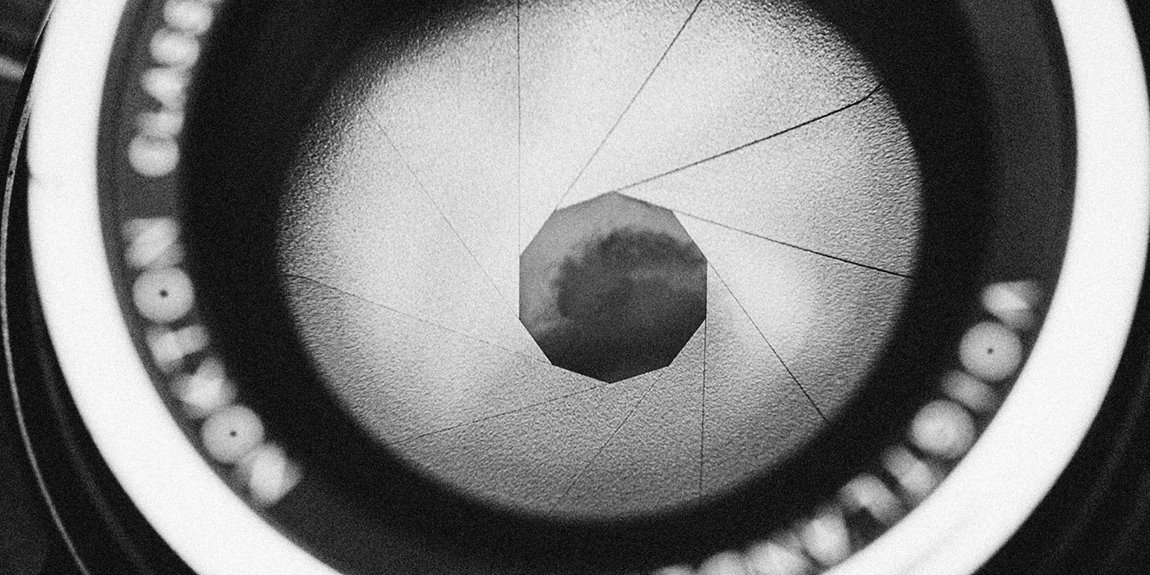
Through lens mechanics, the diaphragm shifts to make this happen, and aperture rings on some lenses let you set it manually. So whenever you change aperture, you’re not just turning a dial. You’re guiding how your camera sees the scene. That’s why this setting matters so much. It gives you control, and it helps your shots match the moment you want to share.
How Aperture Affects Exposure and Depth of Field
Once you change aperture, you’re doing two things at once: you’re adjusting how bright the photo looks and how much of it stays sharp.
A wide opening lets in more light, so your exposure balance shifts toward a brighter frame. That light adjustment can help you shoot in dim rooms without pushing ISO too far. At the same time, a wide aperture limits depth of field, so only part of the scene feels crisp.
A narrow opening does the opposite. It cuts light, which might need slower shutter speed or other exposure help, and it increases the zone of sharpness. So, whenever you pick an f-stop, you’re not just chasing brightness. You’re shaping how your image feels, and you’re making a choice that fits the scene around you.
How to Choose Aperture for Background Blur
In case you want that soft, dreamy blur behind your subject, start with a wide aperture like f/1.4, f/1.8, or f/2.8. You’ll give the background less space to stay sharp, so your subject feels closer and more connected to the frame.
Should your lens selection only opens to f/5.6, move your subject farther from the background and step back a little. That extra focal distance helps the blur look smoother.
Also, keep the camera focused on the eyes or main subject, then let the scene fall away behind them. In busy places, this choice can make your photo feel calmer and more personal.
Try a few test shots, because small changes in distance and aperture can make a big difference.
How Aperture Creates Bokeh
Because a wide aperture lets light spread more freely through the lens, it also changes how the out-of-focus parts of your photo look. You get bokeh as those soft areas turn smooth, round, and pleasing instead of messy.
That gentle glow comes from how the lens design shapes light as it passes through the opening. A larger opening makes the blur stronger, so your subject can stand out while the background fades kindly.
Whenever you work this way, you’re not just blurring scenes, you’re guiding blur aesthetics with intention. Small highlights might become soft circles, and edges lose their hard bite.
How to Pick Sharp Aperture Settings
So, how do you pick an aperture that keeps your photo sharp where it matters most? Start near your lens sweet spot, often f/5.6 to f/11, where you and your camera team up for crisp detail. In case you want a simple guide, use this:
| Aperture | Result |
|---|---|
| f/4 to f/5.6 | Good sharpness, more light |
| f/8 to f/11 | Best all-around detail |
| f/16 and beyond | More depth, but lens diffraction can soften edges |
Your sensor resolution matters too. A high-resolution sensor shows tiny flaws faster, so a careful middle setting helps you keep trust in the final image. When the scene is bright, a narrower choice can still work. Should the light be low, you’ll often feel better staying a bit wider for clean, confident shots.
Common Aperture Mistakes to Avoid
You can get tripped up fast if you guess depth of field instead of checking how much of the scene will stay sharp.
It’s also easy to use a wide-open aperture for everything, even at the point it makes more of the photo blurry than you meant. So now, let’s look at the most common aperture slips and how you can avoid them with more confidence.
Misjudging Depth Of Field
What happens in case the photo looks fine in the viewfinder, but the final image feels strangely off? You’ve likely made a focus miscalculation or run into foreground confusion.
Depth of field can trick you whenever you expect more sharpness than your aperture gives. To stay with the right crowd of sharp images, check this:
- Compare the nearest object and the main subject.
- Notice how wide apertures shrink the sharp zone.
- Step back or stop down once the scene feels crowded.
- Review edge detail, not just the center.
This matters because your eye forgives a lot in the moment, but the file won’t. Once you understand how depth spreads, you’ll feel calmer, more in control, and a lot less surprised by soft results.
Overusing Wide Open Apertures
At the moment the lens is wide open, it can feel like you’re giving the scene the safest, most flattering look, but overusing that setting can quickly cause more trouble than it solves. You might love the soft blur, yet you can also invite lens aberrations, softer corners, and focus challenges that make your subject feel less crisp than you wanted.
Whenever you shoot every frame at f/1.4 or f/2.8, you can miss the lens sweet spot where sharpness lives. So, try wider apertures in low light or whenever you want clear subject separation. Then, shift to midrange settings if the full image needs more detail. That small change helps you stay in control and keeps your photos feeling polished, not lucky.
Frequently Asked Questions
How Does Aperture Affect Lens Diffraction in Photographs?
Very small apertures can reach the lens’s diffraction limit, which spreads light and makes images less sharp. Wider apertures reduce this effect and preserve detail, though they also give you a shallower depth of field.
Does Aperture Change Autofocus Performance in Low Light?
Yes, it can. A wider aperture lets more light reach the autofocus system, so focus can lock faster in dim conditions.
Can Aperture Be Adjusted During Video Recording?
Yes, you can change the aperture while recording video if your camera or lens allows manual control. Use it to manage exposure, but keep in mind that sudden changes can be visible, so smooth adjustments take practice.
Why Do Some Lenses Have Variable Maximum Apertures?
Variable maximum apertures happen because a zoom lens must balance focal range, optical performance, size, and cost. As you zoom in, the largest possible aperture often gets smaller, which helps keep the lens lighter, more compact, and less expensive.
How Does Aperture Interact With Starburst Effects?
Starbursts appear when you stop the lens down and the diaphragm blades turn bright point sources into spiked patterns. Try it at f 11 to f 16 and you may find strong, radiant highlights in your images.