

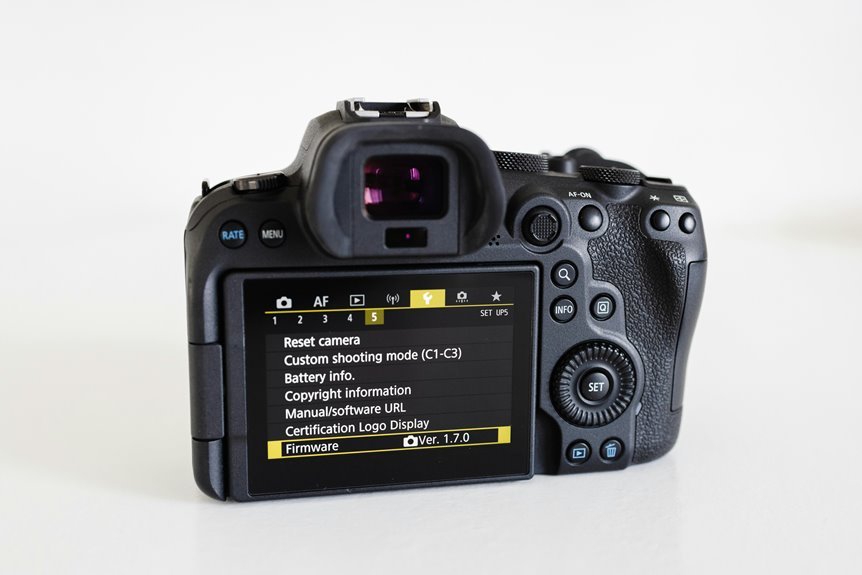

A camera firmware update can go smoothly with the right prep. The safest approach is to use the exact firmware, a fully charged battery, and the correct memory card. Every step needs to be done in the right order without stopping the process. A quick settings check at the end helps catch small issues before your next shoot.
Using the Wrong Camera Firmware Version
Because firmware files can look almost identical, it’s easy to load the wrong one and not realize the risk until the update fails. You’re not careless should this happen. Many camera owners face it, especially whenever model names differ due to one letter or a concealed hardware revision.
That’s where problems grow fast. In the event you install a file meant for another hardware revision, your camera might reject it or stop responding correctly. A region mismatch can also trigger errors, even at the point when the version number seems right.
Similarly, firmware for an IP camera mightn’t work on an NVR kit model, and a standalone file won’t fit an NVR-integrated camera. So before you update, match the exact model, sales region, and product type. That simple check helps you stay confident, connected, and safe.
Starting a Camera Firmware Update With Low Battery
Although a firmware update could seem routine, starting one with a low battery puts your camera at real risk right away. Once power drops during installation, the camera can freeze, fail to restart, or end up stuck in a broken state.
You deserve a smoother experience, and a little prep helps you avoid that stress.
- Charge the battery fully before you begin, not almost full. Firmware writing needs steady power management.
- In case your camera allows it, connect AC power too. That gives your update extra stability and peace of mind.
- Check battery calibration in case charge levels seem unreliable. A bad reading can fool you into starting too soon.
As you take these steps, you protect your gear and stay in step with other careful photographers who value dependable performance every time.
Using an Incompatible Memory Card or Format
Before you start the update, make sure your camera actually supports the memory card type you’re using.
You also need the right file system, because even a good card can fail in case it’s formatted the wrong way.
And yes, capacity and speed matter too, since a slow or oversized card can turn a simple firmware update into a frustrating mess.
Card Type Compatibility
During the moment a camera firmware update depends on a memory card, the card itself can decide whether the process starts cleanly or fails fast. You want the right card type for your camera, because not every model accepts every option.
In case the camera can’t read the card, the update might never begin.
To stay in the safe zone with the rest of us, check these basics:
- Match the card type your manual approves for the card slot.
- Avoid old, worn cards, because weak card durability can cause read errors.
- Use a card capacity your camera supports, not just one you have nearby.
That small check saves stress. It also helps you feel confident, prepared, and part of a community that gets firmware updates right the initial time, every time.
Correct File System
Why does a memory card that looks perfectly fine still stop a firmware update cold? Your camera doesn’t just check whether the card works. It checks how the card is formatted and where the update file sits. In case the file system is wrong, file verification can fail before the update even begins.
That’s why you need to format the card in the camera or follow the maker’s exact instructions on a computer. Then place the firmware file in the required directory structure, not inside extra folders your system creates.
You also want to remove old update files, concealed junk, and renamed copies that confuse the camera. Once you match the expected format and layout, you give your camera the clear, familiar setup it trusts, and you keep yourself in the safe, successful crowd.
Capacity And Speed
Even though the file system and folder layout are correct, the memory card itself can still block the update in case its capacity, speed, or card type falls outside what your camera expects. That catches plenty of people, so you’re not alone. Your camera might reject very large cards, older SDXC media, or ultra fast cards that trigger odd transfer bottlenecks during verification.
- Check your manual for approved card capacity and type.
- Use a reliable, standard speed card instead of your fastest one.
- Reformat the card in camera before copying the firmware file.
This matters because storage limitations can confuse the updater, even if the file looks fine on your computer. If you match the card to your camera’s update rules, you give yourself the same smooth path experienced users rely on and trust.
Skipping Steps in the Camera Firmware Update Process
Should you skip even one step in a camera firmware update, you can trigger errors that are hard to fix. You need to follow each instruction in order, keep the power steady, and avoid stopping the process halfway through.
It might feel slow, but those few extra minutes can save you from a failed update or a camera that won’t turn back on.
Follow Every Update Step
Although a firmware update can look simple, you need to follow every step in the order the maker gives, because skipping one small part can turn a routine upgrade into a failed install, a reboot loop, or a camera that vanishes from your network.
You protect yourself and your setup as you slow down and stick with the guide. That shared discipline keeps your camera community strong, and it saves you from avoidable mistakes.
- Do update verification before you start, so you know the file, model, and version match.
- Use step confirmation after each action, especially at the maker asks for a restart, menu check, or status screen.
- Finish the post-update checks, including login, image view, and settings review, so you catch problems promptly and stay confident with your gear.
Avoid Mid-Process Interruptions
Because a firmware update rewrites core system files, you can’t treat the middle of the process like a safe place to pause, restart, unplug, or “just check one thing” before it finishes.
If you interrupt it, your camera can freeze in a bootloader state, vanish from your app, or fail to restart with everyone else’s gear.
Interrupting the Camera Firmware Update Mid-Install
While it could feel harmless to stop an update once the screen seems frozen, interrupting a camera firmware install is one of the fastest ways to turn a working device into a dead or unstable one.
You’re part of a group that wants gear you can trust, so patience matters here. Even short power failures or a cable disconnection can corrupt the writing process and leave your camera stuck, offline, or trapped in recovery mode.
To stay safe, keep these habits close:
- Let the install finish, even though progress seems slow.
- Keep batteries full and power steady before you begin.
- Don’t press buttons, unplug cords, or restart the camera.
That pause on screen often means the camera is rewriting core files. If you interrupt it, you could create problems that simple resets won’t fix later.
Not Checking Camera Settings After the Update
After the update finishes, you still need to check your camera’s settings, since firmware can reset key options without much warning.
In case you skip that step, you could believe the update worked fine while autofocus, image quality, Wi-Fi, date, or custom buttons quietly changed. That’s frustrating, especially whenever you want your gear to feel dependable and familiar.
Frequently Asked Questions
Can a Network Dropout Brick My Camera During Firmware Installation?
A network dropout can brick your camera if the connection fails while the firmware is being written. Keep the network stable and the power supply reliable, or the camera may go offline at the worst possible moment.
Do Some Cameras Require Intermediate Firmware Before the Latest Version?
Yes, some cameras require one or more intermediate firmware versions before you can install the newest release. You must follow the version requirements and the specified update order. If you skip a required step, the camera may refuse the file, the update may not complete, or the camera may restart repeatedly.
Should I Wait Before Installing a Newly Released Firmware Update?
In most cases, waiting before installing a brand new firmware update is the safer choice. Early releases can introduce bugs, battery drain, connection problems, or device specific glitches that only appear after many people start using them. Giving it a little time lets you see whether other users report trouble or confirm that the update works well on your device.
Can Region-Locked Firmware Cause Update Errors on Identical Camera Models?
Yes, region locked firmware can cause update errors even on identical camera models. Exact firmware compatibility is required because localized files may differ based on market version, compliance requirements, and internal hardware coding.
What Recovery Options Exist if My Camera Disappears After a Failed Update?
If the camera no longer appears after a failed update, try bootloader recovery, safe mode, a direct Ethernet connection, the manufacturer’s recovery utility, or TFTP reflashing. If none of these work, contact support and include the camera model and firmware version, or ask in a user forum specific to that camera brand.