

Photos feel alive through emotion, light, timing, composition, and detail. A relaxed subject gives you natural expressions that look real on camera. Soft light, clean framing, and small details add mood without much effort. Use these five simple ideas to turn ordinary shots into images with feeling.
Connect With Your Subject First
Before you lift the camera, take time to connect with the person in front of you, because real emotion rarely appears on command. Once you slow down, ask kind questions, and listen, you create safety. That sense of welcome matters. People open up whenever they feel seen, not judged.
Start with building trust through simple conversation. Ask about their day, their memories, or what makes them laugh. Then keep establishing rapport through matching their pace and respecting quiet moments.
Watch their eyes, hands, and posture, because those small signals tell you as soon as they relax. As comfort grows, guarded smiles fade and honest feeling comes forward.
You aren’t just taking an image. You’re making space for someone to belong in front of your lens. That’s whenever expression stops performing and starts feeling real.
Use Light to Shape Photo Mood
Mood begins with light, because the way you shape brightness, shadow, and color decides what a photo feels like long before anyone studies the subject.
At the time you choose soft lighting, you invite people in. You create comfort, closeness, and a sense that they belong inside the frame with you. Warm tones can make an image feel welcoming, like shared laughter in a familiar room.
- Use diffused light whenever you want calm, trust, and tenderness.
- Turn to side light whenever you want depth, texture, and quiet strength.
- Adjust white balance to add warmth or coolness, so the feeling matches your message.
As you shape light, you also shape connection. Harsh contrast can feel bold or lonely, while gentle light feels open.
Even small changes can help your photos hold people softly.
Capture Honest Moments With Timing
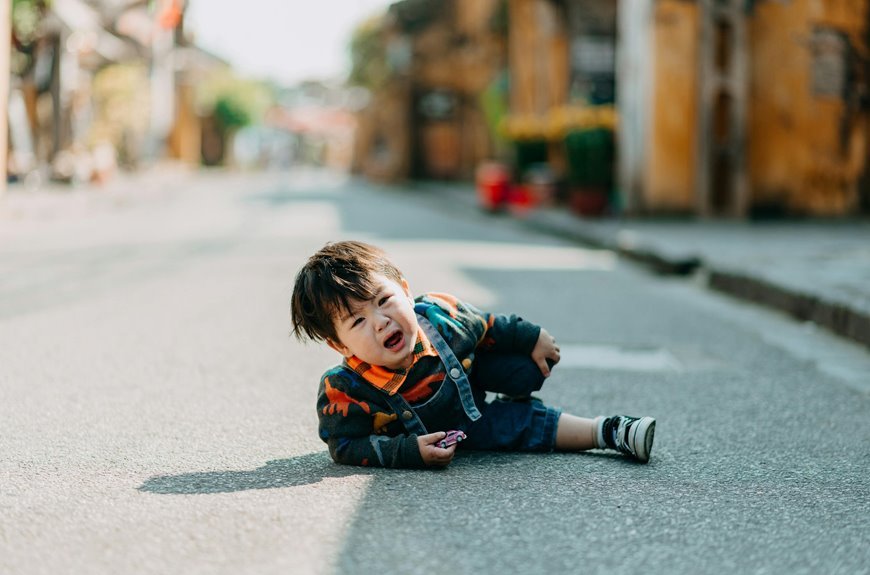
At the moment you pay close attention to timing, you stop chasing perfect poses and start catching real emotion as it rises and slips across a face. You begin to notice the breath before laughter, the blink after hard news, the quick softening that no pose selection can plan. Those tiny shifts help people feel seen, not staged.
To catch them, stay ready and present. Watch eyes, hands, and posture together, because emotion often arrives in layers. Keep talking so your subject feels safe with you, then shoot between directions, not just during them. That space is where candid reactions appear.
Also, trust the pause after a smile, the second prior to someone looks away, the instant a guard drops. Whenever you honor those moments, your photos feel welcoming, honest, and deeply human.
Use Composition to Guide Emotion
Real feeling matters, and composition helps you place that feeling where the viewer can’t miss it. Whenever you arrange a frame with care, you invite people in and help them feel like they belong inside the moment with you.
- Use leading lines to pull the eye toward the emotional center, whether that’s a face, a hand, or a quiet doorway.
- Leave negative space around your subject whenever you want loneliness, peace, or reflection to breathe.
- Shift your angle and framing to shape connection. A close, balanced frame feels warm and shared, while a distant view can make someone seem isolated.
As you compose, consider where you want hearts to land initially. Every edge, gap, and line can gently guide viewers toward the feeling you want them to share.
Photograph Details That Tell the Story
Zoom in on the small things, because details often carry the deepest feeling in a photo. At the moment you observe a wrinkled hand, scuffed shoes, or a half-held note, you invite viewers into a shared human moment. These pieces help people feel seen, understood, and quietly connected.
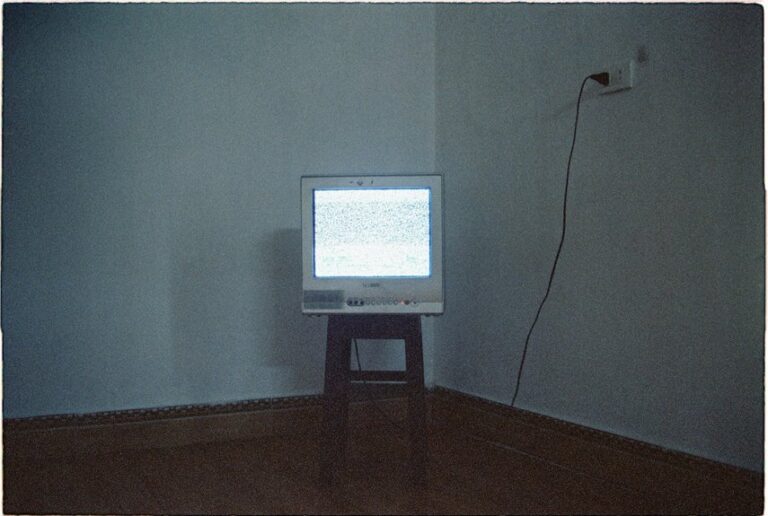
To deepen that connection, use texture emphasis and light together. Side light can reveal worn fabric, tear marks, or rough wood, giving emotion a surface you can almost touch. Then guide feeling with color symbolism. A warm scarf can suggest comfort, while a cool blue wall can hint at distance or grief.
Keep your frame simple so each object matters. Move closer, watch carefully, and choose details that support the story. The right detail doesn’t just decorate your image. It helps someone feel they belong there, too.
Frequently Asked Questions
How Can Editing Enhance Emotion Without Making Photos Look Unnatural?
You can strengthen emotion through subtle editing without making an image feel artificial. Lowering clarity by about 30 points can gently soften facial features and atmosphere. Color grading shapes the emotional tone, while selective sharpening draws attention to key details. Keep contrast and skin tones balanced so the photo remains believable and human.
When Should I Choose Black and White Over Color?
Choose black and white when the scene depends on shape, light, texture, or expression more than color. Removing color reduces visual clutter, strengthens contrast, and gives details like wrinkles, fog, shadows, or architecture more presence. It works especially well when you want the image to feel intimate, stark, reflective, or quietly dramatic.
What Camera Settings Help Capture Emotion in Low Light?
Choose a wide aperture, raise ISO with care, and lower shutter speed enough to hold the mood of the scene. Let shadows stay soft, keep bright areas from blowing out, and stabilize the camera so quiet expressions and subtle gestures remain clear.
Can Abstract Photography Express Emotion Without Showing Faces?
Yes, abstract photography can express emotion without showing faces by using color, texture, shape, contrast, and blur. These elements create atmosphere and suggest tension, calm, loneliness, or warmth, allowing viewers to connect through sensation and interpretation rather than facial expression.
How Do I Develop a Consistent Emotional Style Across My Portfolio?
You develop consistency by selecting a deliberate color palette, returning to familiar lighting and framing choices, and shaping a stronger connection with your subjects. A distinct emotional style emerges when your visual decisions reflect your own sensibility and each image carries the same internal atmosphere.