
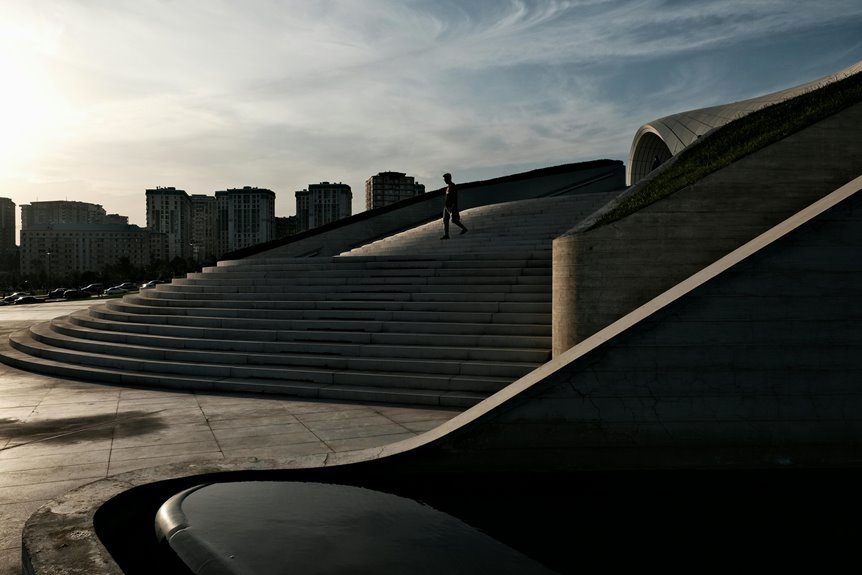

Sunset silhouette photos look dramatic by turning your subject into a clean, dark shape against a bright sky. The trick is to control the light, pick a strong outline, and expose for the sunset instead of the subject. A simple composition with clear space helps the shape stand out. A few smart setting choices can take your shots from dull to striking.
Pick the Best Light for Sunset Silhouettes
Before you’re chasing a strong sunset silhouette, the best light usually comes just prior to the sun drops below the horizon, because that’s as the sky turns rich with orange, gold, pink, and deep blue while your subject falls naturally into shadow.
That short window during the golden hours gives you the bold contrast you want without forcing harsh midday light into the frame. You’ll feel more confident once you arrive early, watch the sky shift, and settle into clean horizon alignment.
A low, open view helps the color spread wider, so your background looks full and dramatic. As the sun sinks, meter for the bright sky, not the darker foreground, and keep your ISO low for richer color. In case clouds drift in, don’t panic. They often add texture and make your photo feel even more alive and welcoming.
Choose a Subject With a Clear Shape
A strong silhouette starts with a subject that has a shape you can recognize in one quick glance. That instant read helps your photo feel confident and welcoming, like you know exactly what belongs in the frame. Look for people in profile, bikes, trees, pets, or hats with distinct edges. At the moment shape clarity is strong, your sunset scene feels more dramatic and easier for others to connect with.
| Subject | Why it works |
|---|---|
| Person sideways | Nose, chin, and posture stand out |
| Tree with spread branches | Strong outline adds mood |
| Bicycle | Open spaces create subject contrast |
| Dog sitting | Ears and tail improve shape clarity |
As you choose, avoid crowded forms or overlapping limbs. Give your subject contrast against open sky, and you’ll create silhouettes your community will instantly love together.
Use the Right Sunset Silhouette Settings
Should your settings be dialed in for the sky instead of the subject, your silhouette starts to look bold, clean, and full of mood. That’s where the magic begins, and you’ll feel more in control right away.
To keep that sunset glow rich, use settings that protect highlight color and let your subject fall into shadow.
- Choose Aperture Priority, and make aperture selection around f/5.6 or wider for a crisp outline and gentle background softness.
- Meter from the bright sky, not the person or object, so the camera saves color instead of lifting shadows.
- Keep ISO low for cleaner files, and shift white balance to Cloudy or Shade for warmer orange tones.
As you practice, these choices help you create silhouettes that feel like you truly belong behind the camera at sunset.
Compose Your Silhouette for Stronger Impact
Once your exposure is set for the sky, composition is what gives the silhouette its punch and makes the whole photo feel intentional. Start with choosing a subject with a clear outline, then place it where the sky can separate every edge.
Should the horizon cuts through your subject, shift your angle so the shape stays clean and easy to read.
From there, simplify the frame. You want negative space to do some of the storytelling, because open sky helps your subject feel bold, calm, and connected to the scene. Leave room around arms, legs, branches, or profiles so details don’t merge.
In case the sun grazes one edge, a touch of rim light can add depth without losing the silhouette. As you refine placement, you’ll create images that feel strong, welcoming, and beautifully shared.
Fix Blurry or Flat Sunset Silhouette Photos
At the moment your sunset silhouette looks blurry or weak, the fix usually starts with two things working together: focus and exposure. In case either slips, your photo loses that bold shape your community of photographers loves.
Initially, adjust focus through aiming at your subject’s edge, not the brightest sky. Then expose for the sky, so the subject turns dark and clean.
- Use single-point autofocus and place it on a sharp outline, like a shoulder or hat brim.
- Lower ISO, keep shutter speed fast enough for movement, and tap to meter on the bright background.
- To improve contrast, choose a simple horizon, remove distractions, and slightly underexpose to deepen the silhouette.
If your image still feels flat, crouch lower or raise your subject. That small shift often brings back drama and belonging.
Frequently Asked Questions
Can I Create Silhouette Photos Indoors Using Artificial Light?
Yes, you can create silhouette photos indoors with artificial backlighting. Use a bright light behind your subject, keep the foreground dark, and choose a simple setup that makes the outline stand out clearly. Strong, recognizable shapes will give the photo a clean silhouette effect.
What Lenses Work Best for Sunset Silhouette Photography?
Prime lenses work well for sunset silhouettes because they render clean edges and often offer wider apertures. Telephoto lenses can tighten the composition, compress distance, and separate a subject from distracting elements in the frame.
How Do I Edit Silhouette Photos Without Ruining Natural Sunset Colors?
Hold onto the sunset’s warmth by making restrained edits to color and contrast. Reduce highlights, strengthen blacks, and skip heavy saturation so the sky keeps its depth, balance, and natural evening color.
Should I Shoot Silhouettes in RAW or JPEG Format?
Shoot silhouettes in RAW when you want stronger image quality and more control in editing. Choose JPEG when smaller files are the priority. RAW preserves more detail in bright skies, which helps when adjusting contrast and color later.
Are Smartphone Cameras Good for Dramatic Sunset Silhouettes?
Yes, smartphones can capture dramatic sunset silhouettes. Their small sensors handle bright skies well when you expose for the sky and keep your subject shape clean and simple. With careful framing and timing, you can create bold, memorable images that stand out.