

You probably don’t realize that for astrophotography, sensor clean-up at high ISO matters more than megapixels. When you’re choosing a mirrorless camera, you need strong low-light performance, reliable focus, and RAW files that hold detail in the dark. The Sony a7 III, Canon EOS RP, and EOS R5 each take a different approach, and even budget options like the a6400 and SVBONY SV105 can surprise you if you know what to look for next.
| Sony Alpha a6400 Mirrorless Camera with 16-50mm Lens | 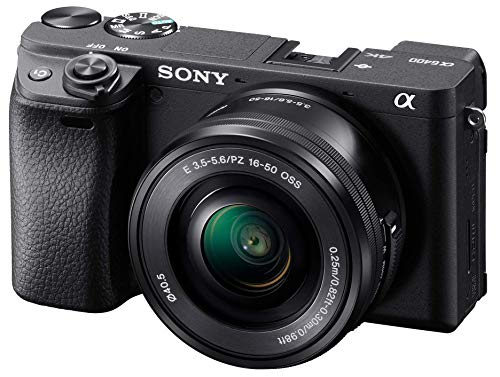 | Best for Beginners | Sensor Type: APS-C CMOS | Megapixels: 24 MP | Autofocus: Hybrid AF | VIEW LATEST PRICE | Read Our Analysis |
| Sony ILCE-7M3K/B a7 III 24.2MP Full Frame Mirrorless Camera w 28-70mm Lens |  | Best Full-Frame | Sensor Type: Full-frame BSI CMOS | Megapixels: 24.2 MP | Autofocus: Phase-detect AF | VIEW LATEST PRICE | Read Our Analysis |
| SVBONY SV105 Telescope Camera for Astrophotography Beginners | 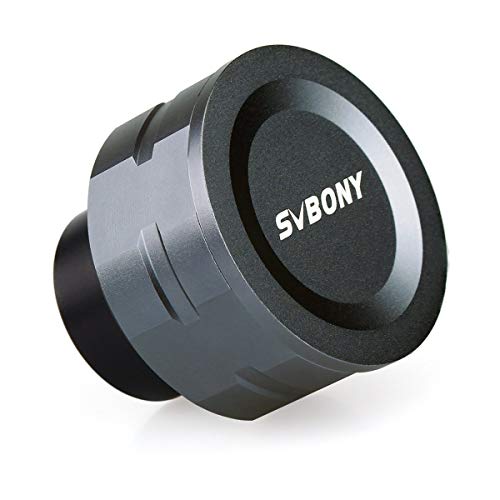 | Telescope Accessory | Sensor Type: IMX307 sensor | Megapixels: 1/2.8 sensor | Autofocus: Plug-and-play capture | VIEW LATEST PRICE | Read Our Analysis |
| Canon EOS RP Mirrorless Camera Kit (3380C132) |  | Best Budget Full-Frame | Sensor Type: Full-frame CMOS | Megapixels: 26.2 MP | Autofocus: Dual Pixel CMOS AF | VIEW LATEST PRICE | Read Our Analysis |
| Canon EOS R5 Mirrorless Camera (Body Only) | 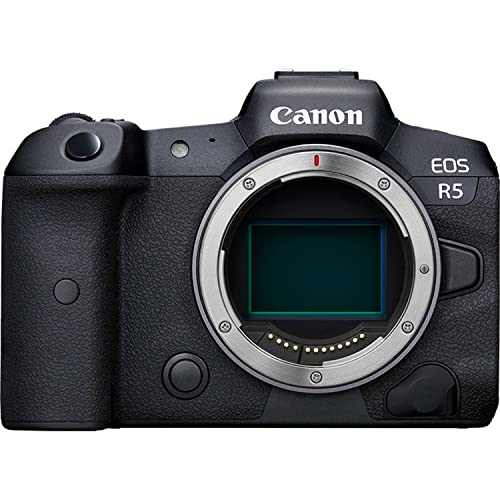 | Professional Grade | Sensor Type: Full-frame stacked BSI CMOS | Megapixels: 45 MP | Autofocus: Dual Pixel CMOS AF II | VIEW LATEST PRICE | Read Our Analysis |
| Canon EOS R100 Mirrorless Camera Kit |  | Best Entry-Level | Sensor Type: APS-C CMOS | Megapixels: 24.1 MP | Autofocus: Dual Pixel CMOS AF | VIEW LATEST PRICE | Read Our Analysis |
More Details on Our Top Picks
Sony Alpha a6400 Mirrorless Camera with 16-50mm Lens
The Sony Alpha a6400 is a strong pick if you want a lightweight mirrorless camera that’s easy to take out under the stars, but still gives you the image quality and autofocus speed astrophotography beginners and hobbyists need. You get a 24MP APS-C sensor, 425 phase-detection points, and real-time Eye AF for sharp starscapes and portraits. The camera shoots up to 11 fps, captures 4K video, and weighs just 10.3 oz. The included 16-50mm lens covers 24–75mm equivalent, giving you flexible framing. Wi‑Fi, a tilting touchscreen, and UHS-I SD support round out a capable, portable setup.
- Sensor Type:APS-C CMOS
- Megapixels:24 MP
- Autofocus:Hybrid AF
- Video:4K UHD
- Screen:3-inch tilting touchscreen
- Wireless:Wi-Fi
- Additional Feature:425-point hybrid AF
- Additional Feature:Real-time Eye AF
- Additional Feature:11 fps burst shooting
Sony ILCE-7M3K/B a7 III 24.2MP Full Frame Mirrorless Camera w 28-70mm Lens
Sony’s a7 III stands out as a strong pick if you want a full-frame mirrorless camera that balances low-light performance with speed and reliability for astrophotography. You get a 24.2MP back-illuminated Exmor R sensor, 15-stop dynamic range, and ISO up to 204,800, so you can capture faint stars and rich skies with confidence. Its 693 phase-detection points and 425 contrast points help you lock focus quickly, while 10fps shooting and silent or mechanical shutter options give you flexibility. The included 28-70mm lens, battery, and accessories make it a ready-to-shoot kit for your next night session.
- Sensor Type:Full-frame BSI CMOS
- Megapixels:24.2 MP
- Autofocus:Phase-detect AF
- Video:4K UHD
- Screen:Not specified
- Wireless:Bluetooth / Wi-Fi
- Additional Feature:Full-frame BSI sensor
- Additional Feature:693-point phase AF
- Additional Feature:15-stop dynamic range
SVBONY SV105 Telescope Camera for Astrophotography Beginners
If you’re just getting started with lunar or planetary imaging, the SVBONY SV105 Telescope Camera is a smart, beginner-friendly pick because it works as a plug-and-play electronic eyepiece for real-time telescope viewing and quick video capture. You can mount it directly in a 1.25-inch focuser, use it with telescope filters, and capture bright moons, planets, and terrestrial targets. Its IMX307 sensor and dark light compensation help boost clarity in low light. You’ll get up to 30 fps at 1920×1080, plus 2K recording. It works with Windows, Linux, Android, and macOS laptops.
- Sensor Type:IMX307 sensor
- Megapixels:1/2.8 sensor
- Autofocus:Plug-and-play capture
- Video:2K / 1080p
- Screen:No display
- Wireless:USB connection
- Additional Feature:1.25-inch telescope mount
- Additional Feature:30 fps at 1080p
- Additional Feature:Plug-and-play setup
Canon EOS RP Mirrorless Camera Kit (3380C132)
Canon EOS RP Mirrorless Camera Kit (3380C132) is a strong pick if you want a lightweight, full-frame mirrorless body that still gives you 26.2 MP detail for capturing star fields, the Milky Way, and wide astro scenes. You’ll get Dual Pixel CMOS AF with 4,779 points, a DIGIC 8 processor, and 4K UHD video for more than stills. The RF24-105mm F4-7.1 IS STM lens adds 5-stop stabilization, handy zoom range, and quiet focusing. Use the articulating touchscreen, EVF, Wi‑Fi, and Bluetooth to frame, review, and share your night shots easily.
- Sensor Type:Full-frame CMOS
- Megapixels:26.2 MP
- Autofocus:Dual Pixel CMOS AF
- Video:4K UHD
- Screen:3-inch articulating touchscreen
- Wireless:Wi-Fi / Bluetooth
- Additional Feature:Dual Pixel CMOS AF
- Additional Feature:5-stop image stabilization
- Additional Feature:RF24-105mm lens included
Canon EOS R5 Mirrorless Camera (Body Only)
For astrophotographers who want a high-resolution full-frame body that can also double as a serious hybrid photo-video camera, the Canon EOS R5 stands out. You get a 45MP stacked, back-side illuminated sensor, DIGIC X processing, and ISO 100-51200 for clean night skies. Its 8-stop, 5-axis stabilization helps steady handheld shots. Dual Pixel CMOS AF II with 1,053 points tracks stars, people, and animals reliably. You can also shoot 8K RAW or 4K 120p. The magnesium-alloy body, tilting touchscreen, EVF, Wi‑Fi, Bluetooth, and dual card slots make it versatile.
- Sensor Type:Full-frame stacked BSI CMOS
- Megapixels:45 MP
- Autofocus:Dual Pixel CMOS AF II
- Video:8K UHD
- Screen:3.2-inch tilting touchscreen
- Wireless:Bluetooth / Wi-Fi
- Additional Feature:8K RAW recording
- Additional Feature:20 fps electronic shutter
- Additional Feature:Eye Control AF
Canon EOS R100 Mirrorless Camera Kit
With its compact, lightweight body and 24.1MP APS-C sensor, the EOS R100 kit is a smart pick if you want an affordable, easy-to-carry mirrorless camera for learning astrophotography. You get Canon’s DIGIC 8 processor, Dual Pixel CMOS AF, 143 AF zones, and face, eye, animal, and vehicle detection for reliable focusing. The RF-S18-45mm IS STM lens adds up to 4 stops of stabilization, while Wi-Fi, Bluetooth, USB, and Micro-HDMI simplify sharing. Shoot 4K video, RAW files, and 6.5 fps bursts, though the f/4.5-6.3 zoom isn’t ideal for very dim skies.
- Sensor Type:APS-C CMOS
- Megapixels:24.1 MP
- Autofocus:Dual Pixel CMOS AF
- Video:4K UHD
- Screen:3-inch LCD
- Wireless:Wi-Fi / Bluetooth
- Additional Feature:4K video recording
- Additional Feature:143 AF zones
- Additional Feature:Smallest EOS R body
Factors to Consider When Choosing a Mirrorless Camera for Astrophotography
When you choose a mirrorless camera for astrophotography, start with sensor size because it affects detail and light capture. You’ll also want strong low-light performance, fast autofocus, and a high ISO range so you can shoot sharper images in dark skies. Good noise control matters too, since it helps keep your stars clean and clear in long exposures.
Sensor Size
Sensor size plays a major role in astrophotography because it affects both how much light your camera can collect and how much of the sky you can fit into the frame. When you choose a larger sensor, you usually capture more light per exposure, which helps reveal faint stars, nebulae, and other deep-sky subjects. Full-frame sensors, around 35.6 × 23.8 mm, also give you a wider field of view, making them a strong fit for sweeping Milky Way scenes. APS-C sensors are smaller, so they crop the scene and narrow the view with the same lens. A larger sensor can also reduce visible noise at higher ISO settings, especially when resolution is similar. For astrophotography, sensor size is one of your most important choices after lens selection.
Low-Light Performance
Low-light performance matters because the night sky pushes your camera to its limits, and a sensor that gathers more light per exposure can reveal finer detail with less noise. You should look for a camera that keeps stars crisp while controlling grain in dark frames. Back-illuminated or stacked sensors often help by reading data faster and more efficiently, which can improve sensitivity in dim conditions. A usable high ISO range also matters, because you can brighten faint stars or the Milky Way without stretching exposure times too far. Pair the body with a wide-aperture lens, and you’ll let in more light, shorten exposures, and reduce star trails. That combination gives you cleaner, sharper results when the sky is truly dark.
Autofocus Speed
Autofocus speed matters most in astrophotography when you need to lock onto bright targets like the Moon or planets before they drift out of frame. You’ll want a mirrorless camera with plenty of phase-detection AF points and wide AF coverage, because those systems usually grab focus faster and more reliably than cameras with fewer points. Hybrid autofocus is another plus; by blending phase-detection and contrast-detection, it can focus more smoothly when light gets scarce. If you shoot fast-moving subjects or wait for steady atmospheric moments, 10–12 fps helps you capture more usable frames. Real-time eye or subject tracking isn’t essential for stars, but it can still help when you’re photographing night landscapes, wildlife, or other mixed astrophotography scenes.
High ISO Range
A wide high ISO range helps you pull out dim night-sky detail without losing too much structure in stars, nebulae, and the Milky Way. When you compare mirrorless cameras for astrophotography, check both the top ISO and the low base ISO. That full spread gives you more room to balance exposure and shoot in changing light. Cameras that reach 102,400 or higher can help with extremely faint subjects, but the real test is how well they hold up at practical settings. You’ll often get better results from a body that performs strongly at ISO 6,400 to 25,600 than from one with a bigger headline number. If you want faint celestial targets, choose a camera with strong high-ISO performance and a sensor that still delivers usable files at elevated sensitivity.
Noise Control
Noise control matters just as much as ISO range, because once you push exposure settings higher for night skies, grain can quickly hide faint stars and nebula detail. You should favor a sensor that stays clean at high ISO, since long exposures often climb far above ISO 100. Full-frame bodies usually outperform APS-C cameras here because they collect more light per pixel, which helps preserve fine structure in dim scenes. Larger pixels, plus modern back-side illuminated or stacked designs, can improve low-light capture and cut down on heavy noise reduction later. If you stack short exposures, choose a camera with clean RAW files and steady long-exposure performance so software has better data to average. Good autofocus and live-view sensitivity also help you lock focus faster and avoid noisy reshoots.
Lens Compatibility
When you choose a mirrorless camera for astrophotography, make sure the mount matches the lenses or telescope adapters you plan to use, since mirrorless systems are mount-specific and incompatible gear often needs extra adapters. You should also think about sensor size, because full-frame and APS-C bodies use the same lens differently. On APS-C, the crop factor narrows your field of view, which can help or limit framing. Look for lenses with a wide maximum aperture, since they gather more light from faint stars and nebulae and can shorten exposures. If you plan to connect to a telescope, check for standard threaded mounts or supported adapters. Finally, prioritize manual focus control and clear focus aids, because nailing infinity focus is essential for sharp stars, the Moon, and planets.
Video Capabilities
For video capabilities, you’ll want to look beyond simple recording specs and focus on what actually helps under the night sky. You should prioritize 4K or higher recording if you want finer lunar or planetary detail, because more resolution gives you more usable image data. High frame-rate modes like 60 fps, 120 fps, or even 4K at 120 fps can improve planetary imaging by giving you more frames to stack and reducing atmospheric blur. Clean 1080p modes at 30 fps or 60 fps can make real-time telescope viewing and quick capture easier. Video autofocus can help when you’re tracking bright targets or switching between stills and video. Internal RAW or high-quality compressed recording also gives you more room for color correction, noise reduction, and post-processing later, especially when conditions aren’t ideal.
Portability And Weight
Beyond video specs, body size and weight can make a big difference in how easy a mirrorless camera is to use for astrophotography. When you carry gear to dark-sky sites, a lighter body helps you travel farther with less fatigue. It also makes setup easier when you’re mounting the camera, pointing it at the sky, and checking focus in the dark. If you use a tripod, a compact camera can feel steadier during long exposures. Smaller bodies also balance better with lenses on an equatorial or tracking mount, so your setup tracks more smoothly. If you travel often, low-profile gear saves bag space and cuts total weight. That’s especially helpful when you’re a beginner hauling batteries, lenses, and accessories together.
Frequently Asked Questions
Can Mirrorless Cameras Capture Deep-Sky Objects Without Tracking Mounts?
Yes, you can capture deep-sky objects without tracking mounts, but you’ll need short exposures, high ISO, fast lenses, and careful stacking. You’ll see bright nebulae and clusters; faint galaxies usually need tracking for detail.
How Important Is Sensor Size for Astrophotography Image Quality?
Sensor size matters a lot: you’ll usually get better low-light performance, dynamic range, and less noise with larger sensors. If you test that theory, you’ll see full-frame often captures cleaner stars and richer nebula detail.
Do Mirrorless Cameras Perform Well in Very Cold Night Conditions?
Yes, you can rely on mirrorless cameras in very cold night conditions, but your battery won’t last as long. You’ll want spare batteries, keep gear warm, and let condensation form slowly afterward.
Which Lenses Work Best for Photographing the Milky Way?
You’ll get the best Milky Way shots with fast wide-angle lenses, like 14-24mm f/2.8 or 20mm f/1.8. You’ll capture more sky, gather more light, and keep stars sharp with shorter exposures.
Is a Star Tracker Necessary for Beginner Astrophotography?
No, you don’t need a star tracker to start astrophotography. You can learn composition, focus, and exposure with a tripod first, then add a tracker later if you want sharper, longer exposures and better results.
Final Thoughts
When you choose the right mirrorless camera, you’re not just buying gear—you’re opening a window to the night sky. With clean RAW files, strong low-light performance, and reliable focus, you can turn faint starlight into vivid color and texture. Whether you pick the portable Sony a6400, the full-frame Sony a7 III, or the capable Canon EOS R5, you’re ready to capture the Milky Way’s quiet glow and make the darkness sing.