

Back button focus gives you more control by separating focus from the shutter button. It helps you lock focus faster, track movement more easily, and avoid accidental refocusing. Many beginners find it makes shooting feel smoother and less frustrating. This simple camera setting can lead to sharper photos and better timing right away.
What Is Back Button Focus?
What exactly is back-button focus? It’s a camera setup where you move autofocus away from the shutter button and place it on a button on the back of the camera. That means you decide at what point focus starts, with your thumb, while your shutter button only takes the photo.
You’re not doing anything strange or advanced. You’re joining a method many photographers trust because it feels more steady and intentional.
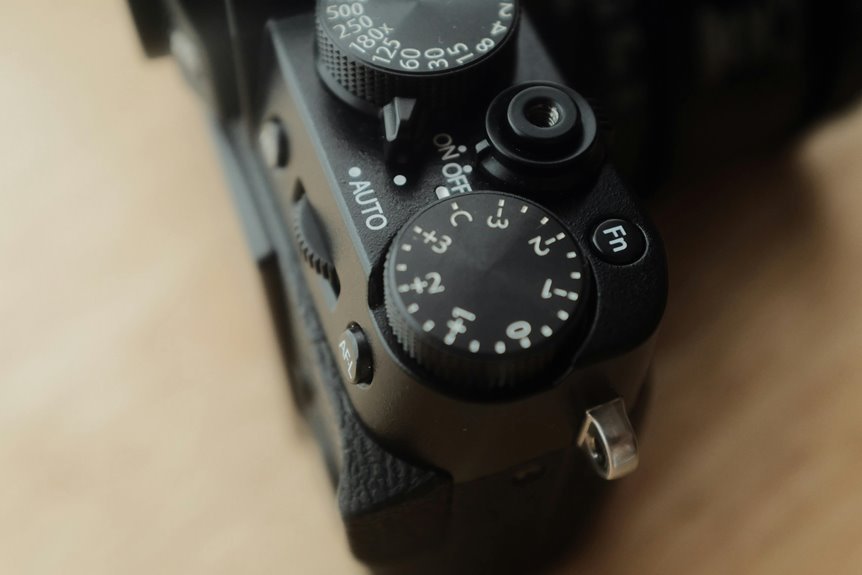
As you learn it, the idea becomes simple. Most advanced cameras have an AF-ON button for this, and some let you use AE-L/AF-L instead.
Through its history evolution and growing brand adoption, back-button focus has become a familiar option across camera systems. You get a cleaner, more controlled way to focus, and that can help you feel more confident every time you shoot.
How Is Back Button Focus Different From Shutter Focus?
With shutter focus, you press the shutter halfway to make the camera focus, then press fully to take the shot.
With back-button focus, you move that job to a button on the back, so you can focus and shoot as two separate actions. That small change gives you more control and makes tracking subjects feel easier and less stressful.
Focus Activation Method
While both methods use autofocus, the big difference is simple: shutter focus starts autofocus as soon as you half-press the shutter button, but back-button focus moves that job to a separate button on the back of the camera, usually AF-ON or sometimes AE-L/AF-L.
That change matters because you separate focusing from taking the image. So, whenever you press the shutter, you’re only capturing the shot. This creates focus disengagement, which helps you feel more confident and less rushed. You don’t need to balance a half-press anymore, and that feels easier for many beginners.
Just as crucial, many cameras allow button customization. That means you can assign autofocus to a back button that feels natural in your hands.
Once you try it, you might feel like you’ve joined a smarter, calmer way to shoot.
Control And Tracking
Because focus and shutter release are no longer tied together, you get far more control over how the camera reacts from moment to moment. With back-button focus, you decide at what point autofocus starts, stops, and stays locked. That gives you stronger focus control than shutter focus, where a half-press can refocus at a time you least want it to.
That difference really matters whenever your subject moves. You can hold the back button to track a runner, child, or bird, then lift your thumb to keep focus where you want it. Your shutter finger stays free to shoot at the perfect instant.
In busy scenes, that also improves tracking precision, because you can pause autofocus before branches, people, or other distractions pull attention away from your subject. It helps you feel more confident and connected.
Why Back Button Focus Improves Accuracy
With back-button focus, you can track a moving subject more smoothly because your shutter press no longer tells the camera to refocus at the worst moment.
That means you’re less likely to lose sharpness as your subject shifts, or whenever you reframe the shot quickly. In turn, you get more keepers and fewer frustrating misses, which can feel like a huge relief when timing matters.
Better Subject Tracking
How does back-button focus make subject tracking more accurate? It lets you stay in continuous autofocus and control tracking with your thumb, so your timing feels more natural. As your subject moves, you can keep focus active only provided that needed. That gives you more confidence, especially when you’re learning and want your results to feel consistent with everyone else’s.
This also helps with subject anticipation. Instead of reacting late with a half-press, you can begin tracking earlier and follow motion more smoothly through the frame. In the event that a runner, child, or pet changes speed, you’re ready to respond without fumbling.
In busy scenes, you stay connected to the person or action that matters most. That sense of control helps you feel capable, included, and more at home behind your camera every time.
Reduced Refocusing Errors
At the moment your shutter button no longer controls focus, a lot of small mistakes simply stop happening. You press focus once, then shoot freely, and your camera stops trying to refocus every time your finger shifts. That means better focus retention, especially during the times you recompose or take several frames quickly.
Because focus lives on a separate button, you avoid the accidental reset that often happens with a half-press shutter. You’re not balancing pressure or worrying that a tiny lift will send focus hunting again. Instead, you stay calm, steady, and in control.
That confidence matters whenever you’re learning, because it helps you feel like you belong behind the camera, not like you’re fighting it. With back-button focus, your choices stay intentional, your subject stays sharp, and your keeper rate starts feeling more like your real skill.
How Back Button Focus Works
Although it sounds like a big change initially, back-button focus is simple once you see what’s happening: your camera stops using the shutter button to start autofocus and moves that job to a button on the back, usually AF-ON or sometimes AE-L/AF-L.
That button reassignment changes the autofocus mechanics in a helpful, easy-to-learn way.
Here’s the flow you’ll soon recognize:
- You press the back button, and focus starts.
- You release it, and focus stays where you set it.
- You press the shutter, and the camera takes the photo without refocusing.
Because those jobs are separated, you feel more in control and less rushed. You’re not juggling a half-press anymore. Instead, you’re using two clear actions, and that clarity helps you feel like you truly belong behind the camera.
Best Situations for Back Button Focus
At what times does back-button focus help the most? You’ll feel the biggest difference whenever your subject moves, pauses, then moves again. In sports, pets, kids, and wildlife, you can track action, stop focus instantly, and shoot without the camera refocusing at the wrong moment. That control helps you feel more confident and in sync with other photographers.
It also shines in difficult lighting and busy scenes. In case you’re shooting at dusk, indoors, or under bright backlight, you can lock focus once and keep composing freely.
For obstructed subjects, like a bird behind branches or a person behind a fence, you can hold focus on what matters instead of letting the camera chase distractions. It’s also great any time you reframe portraits or want steady focus across several shots in a row.
How to Set Up Back Button Focus
Once you know at what point back-button focus helps, the next step is setting your camera so it works with you, not against you. You don’t need fancy gear to join in.
Most cameras let you separate focus from the shutter through button remapping and simple autofocus customization in the menu.
- Open your custom controls menu and turn off autofocus from the shutter button.
- Assign autofocus to AF-ON, or use AE-L/AF-L provided that’s what your camera offers.
- Set your camera to AF-C so you can focus whenever you want and shoot once you’re ready.
After that, test it with a still subject, then a moving one. You’ll feel more connected to your camera, and that’s whenever this starts feeling like part of your rhythm.
Common Back Button Focus Mistakes to Avoid
Now that your camera is set up, the biggest problem isn’t the menu anymore, it’s habit. You’ll likely press the shutter halfway out of instinct, then ponder why focus jumps or nothing happens. That’s normal, and you’re not behind. Every beginner goes through this shift.
The most common mistakes are button confusion, forgetting to disable shutter autofocus, and accidental autofocus toggling between modes. Assuming both buttons try to focus, you’ll fight your camera instead of working with it.
Another trap is taking your thumb off too soon once tracking movement, then blaming yourself for soft shots. Also, don’t switch to manual focus out of old habit during focus should stay locked.
Give yourself practice time. With repetition, your hands will finally feel like part of the camera, and that confidence helps you belong.
Frequently Asked Questions
Can Back Button Focus Affect Battery Life During Long Shooting Sessions?
Yes, back button focus can use a bit more battery during long shoots if you trigger autofocus often, because the focusing system draws power each time it activates. In most cases, the extra drain is small, and many photographers consider the added focusing control a worthwhile tradeoff.
Does Back Button Focus Work Well With Touchscreen Autofocus Cameras?
Yes, back button focus pairs well with touchscreen autofocus cameras when the screen responds quickly and accurately. You can tap a specific point to set focus, then use the back button to hold or adjust autofocus as the scene changes, which gives you more control during fast shooting.
Should Beginners Disable Face Detection When Using Back Button Focus?
No. Leave face detection on while you learn back button focus, since it can still help in many situations. Turn it off when you need steady focus lock, more precise control, or when busy scenes confuse the camera.
Is Back Button Focus Useful for Video Autofocus or Only Photography?
Back button focus can help with video autofocus, particularly when using continuous subject tracking, although its strongest advantage is still in photography. It lets you hold focus exactly when you want, reduces unwanted focus hunting, and works well alongside video stabilization for steadier, more controlled footage.
How Long Does It Usually Take to Adapt to Back Button Focus?
Most people get used to back button focus within a few days to two weeks. It can feel awkward at first, but regular practice helps build muscle memory, and before long, the movement starts to feel natural.