

If you’re choosing camera film in 2026, you’ll want options that balance image style, price, and reliability. From Fujifilm Instax Mini’s quick, sharp prints to Polaroid’s softer i-Type packs, each film type changes how your photos feel. Some give you cleaner color, while others lean into a vintage look. Before you buy, it’s worth comparing what matters most, because the right choice isn’t always the obvious one.




More Details on Our Top Picks
Fujifilm Instax Mini Film Single Pack (16386004)
Fujifilm Instax Mini Film Single Pack (16386004) is a smart pick if you want instant prints with sharp, vibrant color in a credit-card-sized format. You get 10 sheets of ISO 800 instant film with a white border, ready for all instax mini cameras, SHARE printers, Link printers, LiPlay, EVO Hybrid cameras, and smartphone printers. It delivers fast development, crisp detail, natural skin tones, and a glossy finish that helps preserve color sharpness. The 54 x 86 mm print size fits neatly in your wallet, while the 46 x 62 mm image keeps your memories vivid and portable.
- Film Format:Instax Mini
- Color Film:Color film
- Exposure Count:10 sheets
- Instant Use:Instant film
- Compatible Cameras:instax mini series, SHARE, Link, LiPlay, EVO, smartphone printers
- ISO Speed:ISO 800
- Additional Feature:White border finish
- Additional Feature:Glossy print surface
- Additional Feature:Fast development
Polaroid Color i-Type Film – Triple Pack 24 Photos (6272) Instant Photo
Polaroid Color i-Type Film in this triple pack gives you 24 instant photos, making it a great pick if you want that classic Polaroid look with plenty of shots to experiment with. You’ll get dreamlike color, nostalgic texture, and the kind of unpredictable results that make each print feel one of a kind. For best results, shoot in bright light and use your flash when needed. Don’t panic if the image appears blank at first; it should develop within 15 minutes. Keep the film chilled in your fridge, but never freeze it.
- Film Format:i-Type
- Color Film:Color film
- Exposure Count:24 photos
- Instant Use:Instant photos
- Compatible Cameras:Polaroid i-Type cameras
- ISO Speed:Not specified
- Additional Feature:Dreamlike nostalgic texture
- Additional Feature:Unpredictable unique results
- Additional Feature:Fridge storage recommended
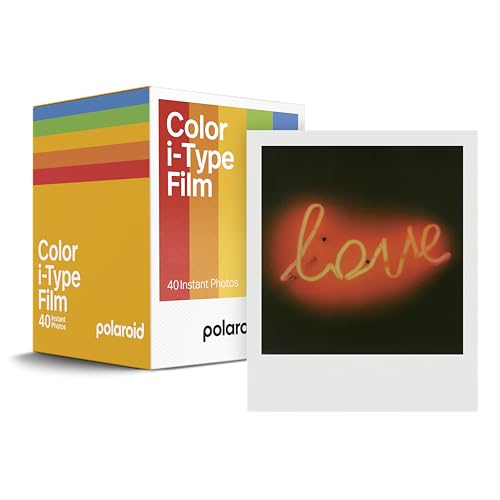
Polaroid Instant Color I-Type Film – 40x Film Pack (40 Photos) (6010)
If you shoot with an I-Type camera and want a reliable pack of instant color film, this 40-photo Polaroid 6010 set is a strong choice. You get Polaroid’s updated classic design, latest chemistry, and 40 iconic white-framed prints with richer colors, stronger contrast, and improved tones. Each shot feels textured and unique. Keep in mind that I-Type film won’t work in vintage Polaroid cameras. For best results, shoot in bright light or use flash. Your photos may look blank at first, then develop in about 15 minutes if you shield them from light and place them face down.
- Film Format:i-Type
- Color Film:Color film
- Exposure Count:40 photos
- Instant Use:Instant film
- Compatible Cameras:Polaroid i-Type cameras
- ISO Speed:Not specified
- Additional Feature:Richer color tones
- Additional Feature:Stronger contrast
- Additional Feature:Face-down development
Polaroid Color Film for I-Type Double Pack 16 Color Instant Photos (6009)
Made for Polaroid i-Type cameras like the Now, OneStep 2, OneStep+, and Polaroid Lab, this double pack gives you 16 color instant photos with 640-speed film and automatic exposure, making it a strong pick if you want reliable, bright results straight from the camera. You’ll get two 8-exposure packs, so you can shoot more without reloading often. Your photos develop in about 15 minutes, but they start blank, so shield them from light while they finish. Keep the film chilled in the fridge, not frozen, and use daylight or flash for best results.
- Film Format:i-Type
- Color Film:Color film
- Exposure Count:16 photos
- Instant Use:Instant film
- Compatible Cameras:Polaroid Now, OneStep 2, OneStep+, Lab
- ISO Speed:ISO 640
- Additional Feature:Automatic exposure control
- Additional Feature:Camera flash support
- Additional Feature:Chilled storage needed
Fujifilm 2 Pack instax Square Instant Color Film Twin Pack
Fujifilm instax Square Instant Color Film, Twin Pack is a great pick if you use Instax Square cameras or printers and want 20 instant square prints in one convenient bundle. You get two boxes of color film, each built for daylight shooting with ISO 800 sensitivity and automatic exposure. It works with the Instax SHARE SP-3, SQUARE SQ10, SQUARE SQ6, and other Fujifilm Instax Square devices. The square format gives your shots a clean, modern look, and the pack’s 4.8-star rating shows strong buyer satisfaction. It’s a simple, reliable choice for instant printing.
- Film Format:Instax Square
- Color Film:Color film
- Exposure Count:20 prints
- Instant Use:Instant color film
- Compatible Cameras:Instax Square cameras/printers
- ISO Speed:ISO 800
- Additional Feature:Square photo format
- Additional Feature:Daylight shooting mode
- Additional Feature:Assorted accessories included
Fujifilm Instax Mini Instant Film & Accessories (100 Sheets Multicolored)
With 100 sheets of Instax Mini film and a bundle of colorful accessories, this set is a great choice for anyone who wants to turn everyday snapshots into lively keepsakes. You can use it with Mini 8, Mini 9, Mini 90, Mini 70, Mini 50S, Mini 25, Mini HELLO KITTY, and Polaroid PIC 300 cameras. The film and accessories feel durable, easy to use, and ready for kids or adults. Bright stickers, frames, and hang clips add style to parties or family gatherings. You also get 90 days of money-back support for a confident purchase.
- Film Format:Instax Mini
- Color Film:Color film
- Exposure Count:100 sheets
- Instant Use:Instant film
- Compatible Cameras:Mini 8/9/90/70/50S/25, Hello Kitty, PIC 300
- ISO Speed:Not specified
- Additional Feature:Colorful frame stickers
- Additional Feature:Hanging photo frames
- Additional Feature:Assorted color clips
Factors to Consider When Choosing Camera Film
When you choose camera film, you’ll want to check format compatibility first so it fits your camera. You should also weigh exposure count value, color and contrast, ISO and light sensitivity, and how long development takes. These factors help you pick film that matches your shooting style and results.
Film Format Compatibility
Film format compatibility is the first thing you should check, since the film has to match your camera or printer type, whether that’s Mini, Square, or I-Type. These formats aren’t interchangeable, so you need to confirm the pack before you buy. Look at the compatible device list and make sure the film works with your instant camera family, matching printer, or hybrid model. You should also verify whether the film is meant for camera use, printer use, or both, because support varies by format. Check the physical print size too, whether you want credit-card sized 54 × 86 mm prints or square shots. Once you’ve matched the format, you’ll avoid buying film that can’t load, print, or fit your intended use properly.
Exposure Count Value
Exposure count tells you how many shots you’ll get from a film pack, so it’s one of the easiest ways to judge value before you buy. You might see 10, 16, 20, 24, or 40 exposures, and each option fits different shooting habits. If you only shoot occasionally, a smaller pack can make sense. If you take lots of instant photos, a larger pack usually gives you better value. Check whether the count applies to one pack or the whole set, especially with multi-pack bundles. Some packages combine several smaller packs into one total. When you match exposure count to your expected volume, you cut waste, avoid running out early, and compare film packs more accurately before you choose.
Color And Contrast
Beyond exposure count, color and contrast shape how a film looks and feels. You can choose stock for vivid, natural skin tones or for richer, more textured colors, depending on the mood you want. If you like punchier images, pick a higher-contrast film, since it deepens shadows and brightens highlights. If you want cleaner results, look for films that keep colors sharp and defined after development. Film chemistry and format also matter, because they can make colors seem classic and predictable or more unique and imperfect. That difference changes the photo’s contrast feel too. When you compare options, pay attention to how each film renders color, because that’ll influence whether your pictures feel soft, bold, refined, or a little rough around the edges.
ISO And Light
ISO plays a big role in how camera film responds to light, with common instant options like ISO 640 and ISO 800 offering different strengths depending on the scene. You’ll usually get the most dependable results in bright light, where the film can expose evenly and show accurate color. In dimmer settings, you may need to use a flash to help the image register properly. ISO 800 film reacts faster to available light, so it can keep details sharp and colors vibrant in indoor or mixed lighting. ISO 640 film works well in daylight too, and it often performs best when you have plenty of light or add flash. Because light can still affect exposed prints as they develop, you’ll want to shield them until they finish.
Development Time
When you choose camera film, development time matters because instant prints can become visible in as little as 15 minutes, though some may look blank at first while the image slowly appears. You shouldn’t assume a blank print failed; give it time to finish developing. During those first minutes, protect it from light so the image can form correctly. One simple method is to place the print face down after shooting. You’ll also want to handle film carefully before use, since temperature and storage conditions can change both development speed and image quality. If you’re patient and follow the film’s handling needs, you’ll get better results and fewer surprises. Fast development is convenient, but the final look still depends on how well you treat the print while it’s emerging.
Storage Requirements
Storage matters just as much as development time when you’re choosing camera film. You’ll get better results when you keep instant film chilled in a refrigerator and avoid freezing it, since harsh temperatures can hurt performance. A stable, cool storage environment helps you preserve consistent color, contrast, and overall image quality over time. Handle the film carefully before use, because some types shift from a blank look to a finished photo in about 15 minutes, and poor storage can reduce reliability. When you’re developing images, shield them from light and place them face down so you protect detail and tonal quality. Good storage doesn’t just extend shelf life; it helps you trust the film to deliver sharp, balanced results whenever you load it.
Print Size Choice
Choosing the right print size starts with how you want to use the photos, because film formats can range from credit-card sized prints, like 54 × 86 mm with a 46 × 62 mm image area, to square prints that feel more balanced and display-worthy. If you want something easy to carry, share, and store, smaller prints work well. If you want your photos to stand out on a wall or desk, choose a larger format that creates more presence. White-bordered prints can give you that classic instant look and extra breathing room. Don’t judge film by exposure count alone; compare the actual print and image dimensions. Also check border proportions, since two films can look similar outside but frame your image differently.
Frequently Asked Questions
Which Film Format Works Best for Travel Photography?
35mm works best for travel photography because you can pack more shots, find film easily, and shoot quickly. You’ll stay flexible on the go, and you won’t lug around bulky gear.
How Long Does Instant Film Typically Last After Exposure?
You’ll usually see instant film develop in 5–15 minutes, yet it can keep changing for hours. Bright freshness turns to muted fading; handle it gently, shield it from heat, and you’ll preserve sharper colors longer.
Can Expired Camera Film Still Produce Usable Images?
Yes, you can still get usable images from expired camera film, but you’ll likely need to compensate for color shifts, reduced contrast, and extra grain. You should test it first and expect unpredictable results.
What Storage Conditions Preserve Film Quality Best?
Like a time capsule, you’ll preserve film best in a cool, dry, dark place. Keep it sealed, refrigerate long-term, and let it warm before shooting; heat, humidity, and light quickly degrade quality.
Do Different Film Types Affect Color Saturation Significantly?
Yes, different film types can change saturation a lot. You’ll see richer colors with some consumer stocks and subtler tones with others, so you can choose a film that matches your look and subject.
Final Thoughts
Choosing the right instant film is like picking the lantern for your road home: one beam gives you crisp, pocket-sized keepsakes, another bathes your moments in warm, nostalgic glow. If you want fast prints, classic square frames, or richer contrast, you’ve got a pack for the path ahead. Keep your film cool, shoot in bright light, and you’ll capture memories that feel as alive as the day you made them.