


If you’re choosing a mirrorless camera for 4K video, you’ll want more than sharp resolution alone. Autofocus speed, low-light performance, and portability can change the way you shoot every day. From Sony’s fast a6400 and full-frame a7 III to Canon’s EOS R8 with uncropped 4K 60p, these six models each offer a different advantage. The one that fits your style might surprise you.
| Sony Alpha a6400 Mirrorless Camera with 16-50mm Lens | 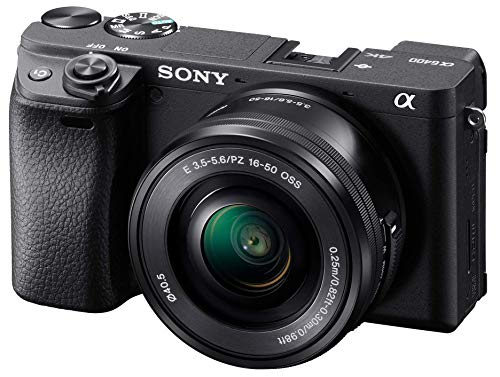 | Best for Beginners | Sensor: 24MP APS-C CMOS | Lens Kit: 16–50mm zoom | Video: 4K UHD | VIEW LATEST PRICE | Read Our Analysis |
| Sony ILCE-7M3K/B a7 III 24.2MP Full Frame Mirrorless Camera w 28-70mm Lens |  | Pro Full-Frame | Sensor: 24.2MP full-frame BSI CMOS | Lens Kit: 28–70mm zoom | Video: 4K UHD | VIEW LATEST PRICE | Read Our Analysis |
| Canon EOS R100 Mirrorless Camera Kit |  | Easiest to Use | Sensor: 24.1MP APS-C CMOS | Lens Kit: 18–45mm zoom | Video: 4K up to 24 fps | VIEW LATEST PRICE | Read Our Analysis |
| Sony Alpha a6400 Mirrorless Camera Body (ILCE-6400/B) | Best Body Only | Sensor: 24.2MP APS-C CMOS | Lens Kit: Body only | Video: 4K UHD | VIEW LATEST PRICE | Read Our Analysis | |
| Canon EOS R8 Mirrorless Camera Body Full-Frame | 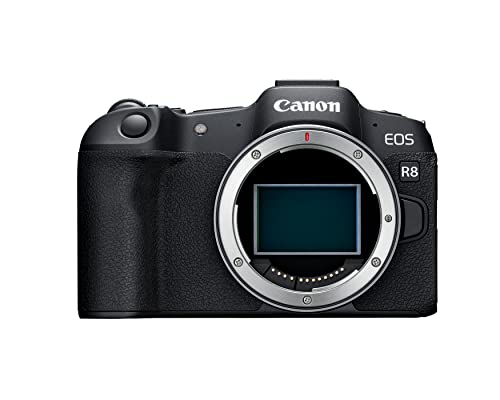 | Best for Video | Sensor: 24.2MP full-frame CMOS | Lens Kit: 24–50mm zoom | Video: 4K up to 60 fps | VIEW LATEST PRICE | Read Our Analysis |
| OM SYSTEM Olympus E-M10 Mark IV Camera Kit |  | Best Travel Pick | Sensor: 20MP Micro Four Thirds Live MOS | Lens Kit: 14–42mm zoom | Video: 4K DCI | VIEW LATEST PRICE | Read Our Analysis |
More Details on Our Top Picks
Sony Alpha a6400 Mirrorless Camera with 16-50mm Lens
The Sony Alpha a6400 Mirrorless Camera with 16–50mm lens is a strong pick if you want a compact 4K camera that’s easy to carry but still delivers serious image quality. You get a 24MP APS-C sensor, 11 fps burst shooting, and fast hybrid autofocus with 425 phase-detection points covering most of the frame. The 180° tilting touchscreen helps you frame shots and selfies, while Wi‑Fi and Micro-HDMI make sharing simple. The included 16–50mm zoom gives you everyday flexibility, and the body stays light at just 10.3 oz for travel or daily use.
- Sensor:24MP APS-C CMOS
- Lens Kit:16–50mm zoom
- Video:4K UHD
- Autofocus:Hybrid AF
- Viewfinder:1.07x EVF
- Connectivity:Wi‑Fi, USB, Micro-HDMI
- Additional Feature:425-phase focus points
- Additional Feature:11 fps burst shooting
- Additional Feature:Tilting touchscreen LCD
Sony ILCE-7M3K/B a7 III 24.2MP Full Frame Mirrorless Camera w 28-70mm Lens
Sony’s a7 III ILCE-7M3K/B stands out if you want a full-frame mirrorless camera that balances 4K video, fast autofocus, and strong low-light performance in one package. You get a 24.2MP back-illuminated Exmor R sensor, 15-stop dynamic range, and ISO 50–204,800 for clean results in tough light. Its 693 phase-detection and 425 contrast AF points help you track subjects confidently, while 10 fps shooting keeps action sharp. You can record 4K HDR video, and the included 28–70mm zoom lens gives you versatile everyday coverage. The tilting screen and electronic viewfinder make framing easier.
- Sensor:24.2MP full-frame BSI CMOS
- Lens Kit:28–70mm zoom
- Video:4K UHD
- Autofocus:693 phase AF
- Viewfinder:0.78x EVF
- Connectivity:Wi‑Fi, Bluetooth, NFC, HDMI
- Additional Feature:693 phase-detect points
- Additional Feature:15-stop dynamic range
- Additional Feature:2 memory card slots
Canon EOS R100 Mirrorless Camera Kit
If you want a compact 4K mirrorless camera that’s easy to carry and simple to use, the Canon EOS R100 kit fits the bill with its 24.1 MP APS-C sensor, DIGIC 8 processor, and RF-S18-45mm lens. You can shoot 4K at up to 24 fps, Full HD at 60 fps, and HD at 120 fps, while Dual Pixel CMOS AF helps you lock onto faces, eyes, animals, and vehicles. The lightweight EOS R body includes Wi‑Fi, Bluetooth, a fixed 3-inch LCD, and an electronic viewfinder, so you can frame, focus, and share confidently anywhere.
- Sensor:24.1MP APS-C CMOS
- Lens Kit:18–45mm zoom
- Video:4K up to 24 fps
- Autofocus:Dual Pixel CMOS AF
- Viewfinder:0.95x EVF
- Connectivity:Wi‑Fi, Bluetooth, USB, Micro-HDMI
- Additional Feature:Dual Pixel CMOS AF
- Additional Feature:Animal detect autofocus
- Additional Feature:Optical image stabilization
Sony Alpha a6400 Mirrorless Camera Body (ILCE-6400/B)
With its APS-C sensor, 24.2MP stills, and 4K video, the Sony Alpha a6400 body is a strong pick for creators who want a compact mirrorless camera that can handle both sharp photography and fast-moving video work. You get lightning-fast 0.02-second autofocus, Real-Time Eye AF, and 425 phase-detection plus 425 contrast-detection points for reliable tracking. Shoot up to 11 fps, use the tilting touchscreen for framing, and record with the flip-up display for vlogging. Bluetooth, Wi‑Fi, and an OLED EVF round out this versatile body-only E-mount camera.
- Sensor:24.2MP APS-C CMOS
- Lens Kit:Body only
- Video:4K UHD
- Autofocus:Hybrid AF
- Viewfinder:1.07x EVF
- Connectivity:Wi‑Fi, Bluetooth, USB
- Additional Feature:Real-time Eye AF
- Additional Feature:0.02-second autofocus
- Additional Feature:XGA OLED EVF
Canon EOS R8 Mirrorless Camera Body Full-Frame
The Canon EOS R8 is a smart pick for creators who want a compact full-frame mirrorless camera that can handle serious 4K video without sacrificing still-image quality. You get a 24.2MP CMOS sensor, DIGIC X processing, and Dual Pixel CMOS AF II with 1,053 zones that tracks people, animals, vehicles, and more. It shoots uncropped 4K at 60 fps oversampled from 6K, plus 40 fps bursts and 10-bit files. You also get Canon Log 3, a vari-angle touchscreen, OLED EVF, Wi‑Fi, Bluetooth, and webcam support.
- Sensor:24.2MP full-frame CMOS
- Lens Kit:24–50mm zoom
- Video:4K up to 60 fps
- Autofocus:Dual Pixel CMOS AF II
- Viewfinder:2.36M-dot EVF
- Connectivity:Wi‑Fi, Bluetooth, USB, HDMI
- Additional Feature:40 fps continuous shooting
- Additional Feature:Canon Log 3
- Additional Feature:Webcam streaming support
OM SYSTEM Olympus E-M10 Mark IV Camera Kit
OM SYSTEM’s Olympus E-M10 Mark IV kit is a strong pick for you if you want a compact mirrorless camera that still delivers 4K DCI video, 20 MP stills, and reliable 5-axis in-body stabilization. You get a silver Micro Four Thirds body, plus the 14-42mm EZ zoom for everyday shooting. Its 121-point contrast AF, 15 fps bursts, and tilting touchscreen help you shoot quickly and confidently. Bluetooth, Wi‑Fi, and selfie mode make sharing easy. At just 1.1 lb, it’s light enough to carry anywhere, yet it still gives you solid creative control.
- Sensor:20MP Micro Four Thirds Live MOS
- Lens Kit:14–42mm zoom
- Video:4K DCI
- Autofocus:121-point contrast AF
- Viewfinder:1.23x EVF
- Connectivity:Wi‑Fi, Bluetooth, USB, HDMI
- Additional Feature:5-axis image stabilization
- Additional Feature:16 art filters
- Additional Feature:Built-in flash
Factors to Consider When Choosing Mirrorless Cameras 4k
When you choose a mirrorless 4K camera, start by checking video quality, because sharp detail and clean color can make a big difference. You’ll also want to weigh sensor size, autofocus performance, lens compatibility, and stabilization so the camera fits how you shoot. If you get these basics right, you’ll end up with a system that handles both video and everyday use better.
4K Video Quality
For 4K video quality, you’ll want to look for a mirrorless camera that records true 4K UHD at 3840 × 2160, since that’s what determines the real level of detail in your footage. You should also check whether it offers 4K at 60 fps, because higher frame rates give you smoother motion and handle fast action better than 24 or 30 fps. Oversampled 4K from a higher-resolution sensor can sharpen fine detail and cut moiré or aliasing. Don’t overlook HDR, Log recording, and wide dynamic range, either, since they help protect highlights and shadows in difficult light. Finally, choose a model with a long recording limit and support for fast U3 or V30 cards so you can keep shooting uninterrupted.
Sensor Size Matters
Beyond resolution and frame rate, sensor size has a big impact on how your 4K footage looks and feels. When you choose a larger sensor, you usually get better light capture, stronger low-light performance, wider dynamic range, and smoother background blur. That makes your clips look more cinematic and detailed. Full-frame sensors, like 24.2 MP 35mm-format options, often give you cleaner noise control and more room to grade footage shot in tough lighting. APS-C sensors give you extra reach with the same lens, but you’ll sacrifice some depth-of-field control and low-light flexibility. Micro Four Thirds bodies stay compact and easy to carry, yet they trade away some image-quality advantages. Sensor size also changes field of view and lens choices.
Autofocus Performance
Autofocus performance can make or break your 4K footage, especially if you shoot moving subjects, events, or handheld video. You should look for a camera with lots of autofocus points and broad coverage, like 425 phase-detection points over 84% of the sensor or 693 points across 93% of the frame, because that helps the camera stay locked on subject. Hybrid autofocus, which blends phase-detection and contrast-detection, usually gives you faster, more accurate focus in motion. Subject-tracking tools such as real-time tracking, eye detection, face detection, and animal or vehicle detection help you follow unpredictable action. If you shoot bursts or sports, continuous AF and 10–11 fps shooting keep focus during the sequence. For video, choose fast readout and minimal focus lag.
Lens Compatibility
When you’re choosing a mirrorless camera for 4K, start with lens compatibility, because the mount determines which lenses will physically fit and whether autofocus and aperture control will work properly. Check the body’s mount and any supported adapters before you buy, since the wrong match can limit control or won’t attach at all. Next, match lens coverage to your sensor: APS-C, full-frame, and Micro Four Thirds each need the right image circle to avoid vignetting or crop. Look at the kit lens too; a 16–50mm or 24–70mm gives you range, while f/1.8–2.8 helps in dim light. Also confirm lens-based stabilization and electronic controls. If you want to grow, pick a system with wide, portrait, and telephoto options.
Stabilization Features
Stabilization can make or break handheld 4K footage, so look for in-body image stabilization that corrects shake across multiple axes. A 5-axis system helps you keep handheld clips steadier and can also improve low-light stills. If a camera doesn’t have sensor-based stabilization, check the lens instead; optical stabilization can still cut blur, though it usually corrects fewer movements. Pay attention to the stated compensation value, because 4.5 steps or more often means better sharpness at slower shutter speeds. For video, stabilization matters even more during walking, panning, and other motion-heavy scenes, where micro-jitters stand out. You’ll also want stabilization paired with fast autofocus and a high continuous shooting rate, so you can frame subjects cleanly and track them accurately.
Battery Life
Battery life matters more on mirrorless cameras than many buyers expect, especially if you’re shooting 4K video or using a bright high-resolution screen all day. Check how long the camera lasts in continuous shooting and movie mode, because 4K capture drains power fast. Cameras with larger battery systems or higher-capacity rechargeable packs usually deliver longer sessions than models using smaller legacy batteries. Also consider power-hungry features like electronic viewfinders, touchscreen LCDs, Wi‑Fi, Bluetooth, and image stabilization, since they can shorten runtime. If you plan to record video, look for extended recording limits and efficient power management. For travel, long events, or all-day shooting, spare batteries or easy battery replacement can save you from missing important moments.
Portability And Weight
After battery life, portability is the next big thing to weigh in a 4K mirrorless setup, because a camera that’s easy to carry gets used more often. You’ll feel the difference between an ultracompact body around 10.3 oz and a larger full-frame model near 1.75 lb, especially on long days. If you travel, vlog, or film handheld, a lighter APS-C or Micro Four Thirds kit near 1.1 lb or less usually feels far better. Lens choice matters too: 16–50mm, 18–45mm, and 14–42mm zooms pack more easily than bulkier 28–70mm full-frame options. Smaller bodies also balance short zooms well and slip into a bag faster. Check the total body-and-lens weight, not just the camera alone.
Connectivity Options
Connectivity can make or break a 4K mirrorless setup, especially if you want a camera that fits both casual shooting and more serious workflows. You should look for Wi‑Fi and Bluetooth if you want fast file transfers, remote control, or easy sharing to your phone without cables. If you plan to monitor or record externally, check for Micro-HDMI or HDMI Type D output. A USB 3.0 port beats USB 2.0 for quicker transfers, webcam use, and steadier tethering on long shoots. For backup and faster burst recording, dual card slots with UHS-II or U3 support give you more security and speed. If you stream, UVC/UAC support, NFC pairing, and strong smartphone compatibility can simplify setup and expand what you can do.
Frequently Asked Questions
Which Mirrorless Camera Offers the Best Battery Life for 4K Recording?
You’ll get the best battery life for 4K recording from Panasonic’s GH6 or Sony’s a7 IV with a battery grip; both run long, though you’ll still want spare batteries for extended shoots.
Do These Cameras Support External Microphones for Better Audio Quality?
Yes, you can usually attach an external microphone through the camera’s mic input, and some models support headphone monitoring too. You’ll get cleaner audio, better control, and fewer wind or handling noises during recording.
Which Model Is Best for Shooting 4K Video in Low Light?
Sony A7S III is your best low-light 4K pick; it drinks in shadows like moonlight, keeps noise low, and gives you clean, cinematic footage. You’ll love its autofocus, too, when light gets scarce.
Are These Mirrorless Cameras Good for Live Streaming and Video Calls?
Yes, you can use them for live streaming and video calls if they offer clean HDMI, reliable autofocus, and USB webcam support. You’ll get better image quality, but you’ll need good lighting and a steady connection.
Which Camera Has the Best Autofocus for Fast-Moving Subjects in 4K?
Sony’s a1 gives you the best autofocus for fast-moving subjects in 4K. You’ll get blazing subject tracking, real-time eye AF, and confident focus that sticks while you shoot sports, wildlife, or action.
Final Thoughts
When you’re choosing a mirrorless 4K camera, the best fit often feels like a happy coincidence: the lens meets the light, the autofocus locks on, and your travel plans line up with a body that’s easy to carry. Whether you want Sony’s speed, Canon’s dependable color, or Olympus’s compact charm, you’ll find a camera that matches your pace. Pick the one that feels natural in your hands, and you’ll capture moments exactly as they happen.